-
Norway seeks deeper defense partnership with Korea: defense min
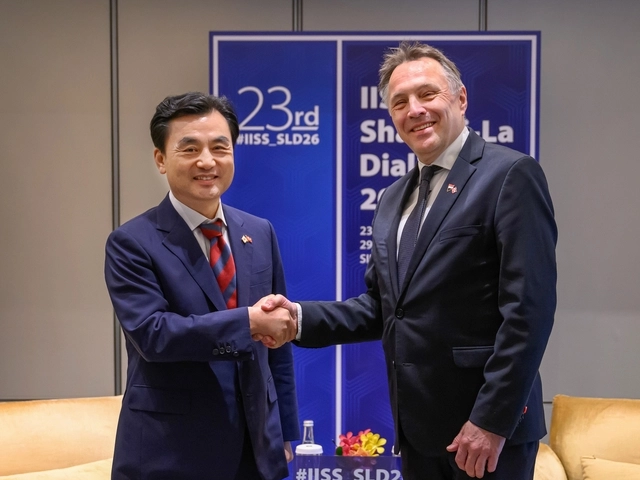
SEOUL, October 27 (AJP) - Norway, which signed a $922 million contract in January to purchase Chunmoo multiple rocket launchers, is seeking a broader and longer-term defense partnership with South Korea, including on the maritime front, to fortify security fortress against the Russian threat, according its defense minister.
-
UPDATE: AI chip boom puts 4% annual growth within reach for Korea
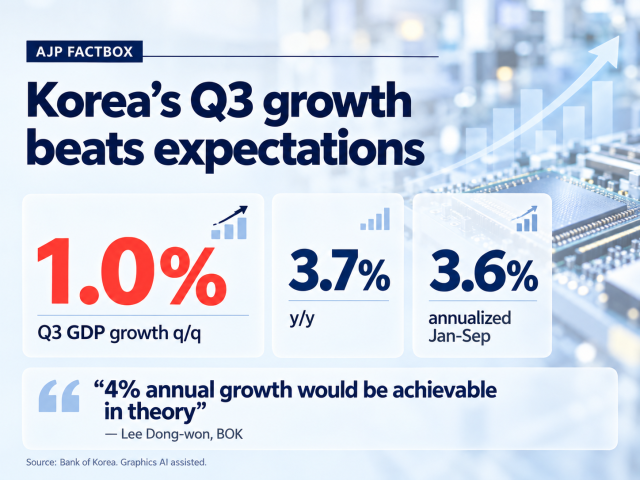
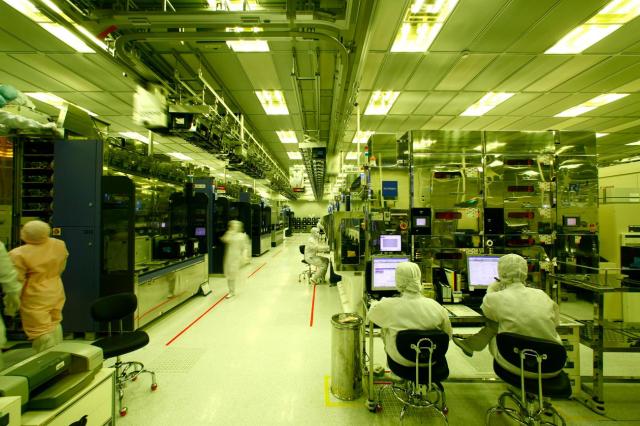
SEOUL, October 27 (AJP) — South Korea's economy grew a stronger-than-expected 1.0 percent in the third quarter on semiconductor exports and investment, central bank data showed Tuesday while flagging signs of chip-led growth losing momentum while consumption remained stagnant.
-
-
Monthly wage tops $2,200 for half of Korean earners
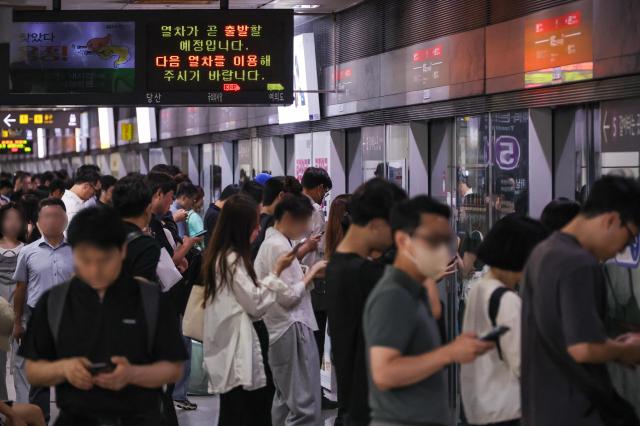
SEOUL, October 27 (AJP) —More than half of South Korean wage earners earned at least 3 million won ($2,260) a month in the first half of 2026, while the share earning at least 5 million won reached a record high for the period, government data showed Tuesday.
-
Korea's Oct consumer sentiment and outlook sag
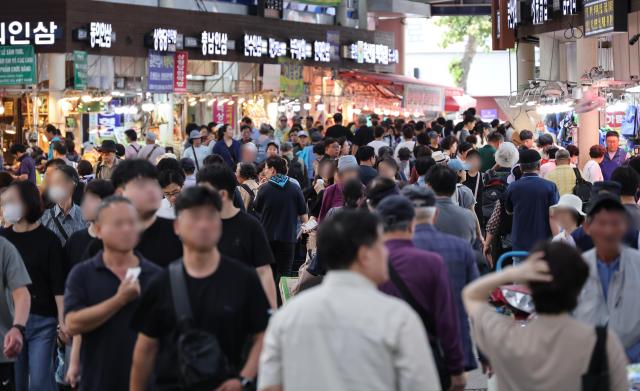
SEOUL, October 27 (AJP) — South Korean consumer sentiment weakened and outlook sagged in October on stagnated stock market and and continued geopolitical unrest despite still-robust exports.
-
KB Kookmin Bank data leak affects more than 2,200
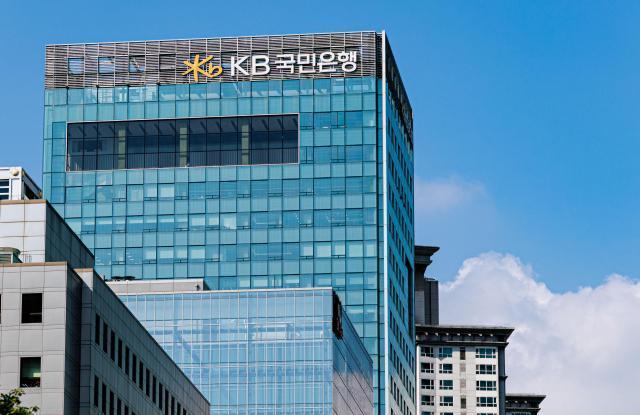
SEOUL, October 27 (AJP) - The number of people affected by a data leak at KB Kookmin Bank has risen to 2,210 from an initial 119, after a further investigation found 2,091 additional cases, according to industry sources.
-
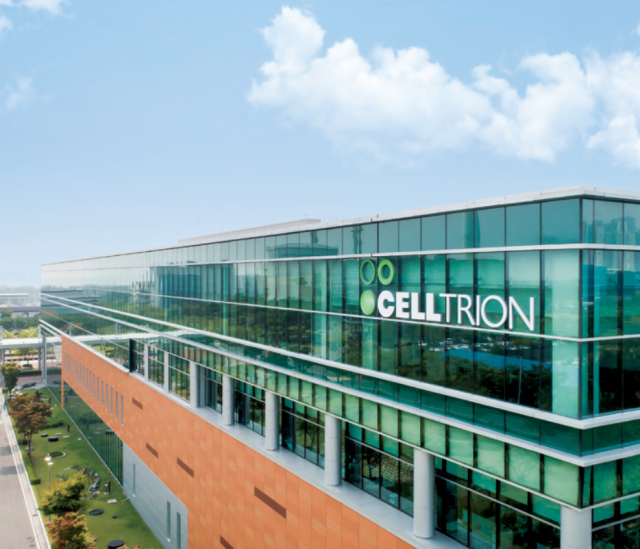
Celltrion Q3 profit hits record, tops preliminary estimate
SEOUL, October 27 (AJP) - Celltrion posted record quarterly earnings for July to September, with operating profit jumping 74.3 percent from a year earlier to 525.3 billion won ($396.5 million) on surging sales of high-margin new products.

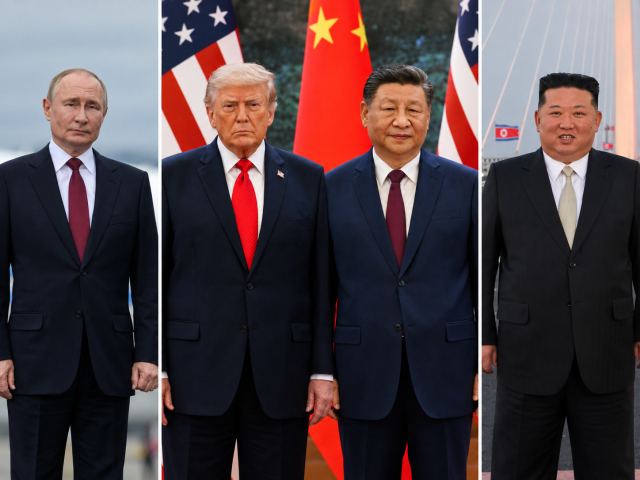
As Trump-Putin-Xi meeting is floated, Kim casts a fourth shadow
SEOUL, October 27 (AJP) - An unprecedented trilateral meeting among the leaders of the U.S., Russia and China on the sidelines of November’s APEC summit in Shenzhen could put denuclearization and Ukraine on the table. Whether North Korea might receive a fourth invitation briefly returned to focus after Kim Jong-un’s surprise one-day visit to China amid murmurs about his health. Kim traveled to China on Saturday across a new bridge that finally opened after more than a decade of de
by Lee Jung-woo
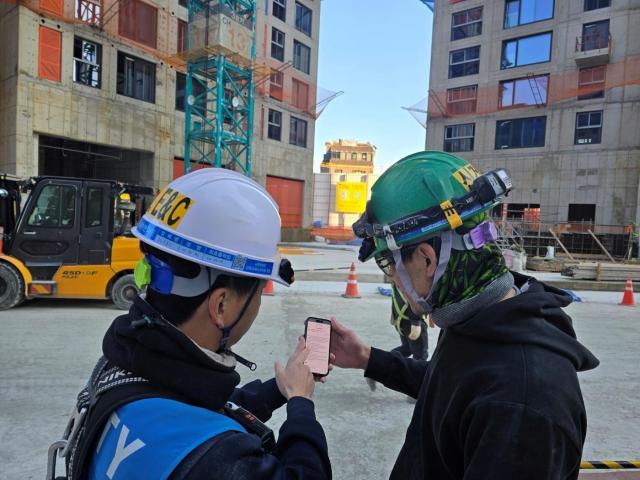 Korea is not yet Europe. But deepening labor mismatch signals gloomy prospects
SEOUL, October 26 (AJP) — Young South Koreans are struggling to enter stable employment even as factories and construction sites turn increasingly to foreign workers, exposing a widening gap between the jobs young people seek and the workers employers need. Central bank and government data point to two pressures developing side by side: a narrowing route into regular employment for young Koreans and persistent labor shortages in parts of the economy. A Bank of Korea study released Monday
Korea is not yet Europe. But deepening labor mismatch signals gloomy prospects
SEOUL, October 26 (AJP) — Young South Koreans are struggling to enter stable employment even as factories and construction sites turn increasingly to foreign workers, exposing a widening gap between the jobs young people seek and the workers employers need. Central bank and government data point to two pressures developing side by side: a narrowing route into regular employment for young Koreans and persistent labor shortages in parts of the economy. A Bank of Korea study released Monday
Samsung's screen, Apple's growing pains
SEOUL, October 27 (AJP) - Samsung Display supplies the OLED panels for Apple’s first foldable iPhone as well as the passport-sized Galaxy foldable introduced earlier this year by sister company Samsung Electronics. But just four days after Apple’s long-awaited debut, reports of cracked displays have highlighted a challenge that goes beyond sourcing advanced components: making them work reliably together. The iPhone Duo, which went on sale Friday starting at 3.29 million won in Sout

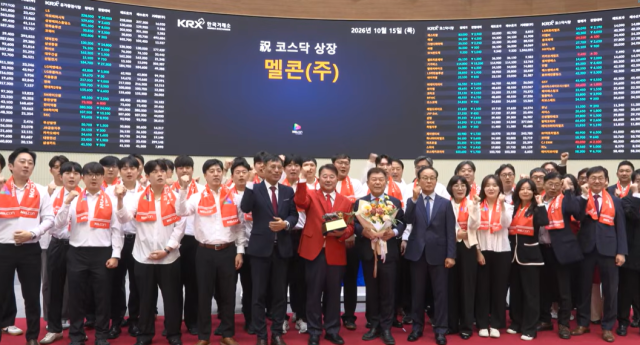 IPO appetite holds up on battered KOSDAQ, but investors grow choosier
SEOUL, October 26 (AJP) — The battered Seoul bourse shows little of its first-half gusto, but investors hunting for undiscovered and up-and-coming ventures in the AI age are feeding a robust IPO pipeline on the junior KOSDAQ. The enthusiasm, however, is uneven. Four companies that completed retail subscriptions this month drew bids for more than 1,000 times the shares available, led by semiconductor equipment maker Melcon. The other six recorded subscription ratios ranging from just 3.55
IPO appetite holds up on battered KOSDAQ, but investors grow choosier
SEOUL, October 26 (AJP) — The battered Seoul bourse shows little of its first-half gusto, but investors hunting for undiscovered and up-and-coming ventures in the AI age are feeding a robust IPO pipeline on the junior KOSDAQ. The enthusiasm, however, is uneven. Four companies that completed retail subscriptions this month drew bids for more than 1,000 times the shares available, led by semiconductor equipment maker Melcon. The other six recorded subscription ratios ranging from just 3.55


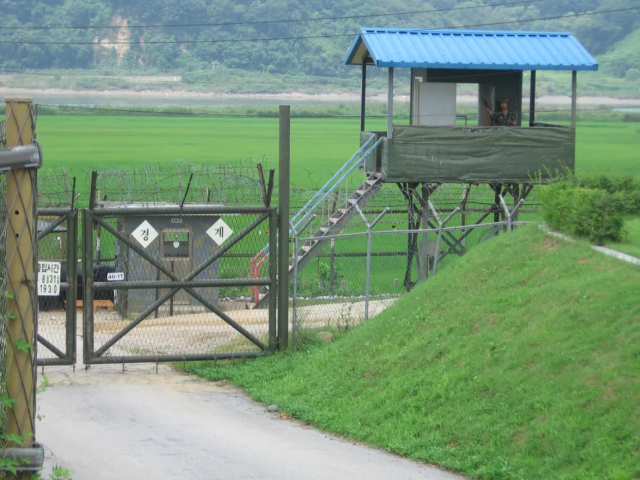 Military probes security lapses after woman damages GOP fence
 Ex-Samsung patent chief jailed for stealing secrets to sue former employer